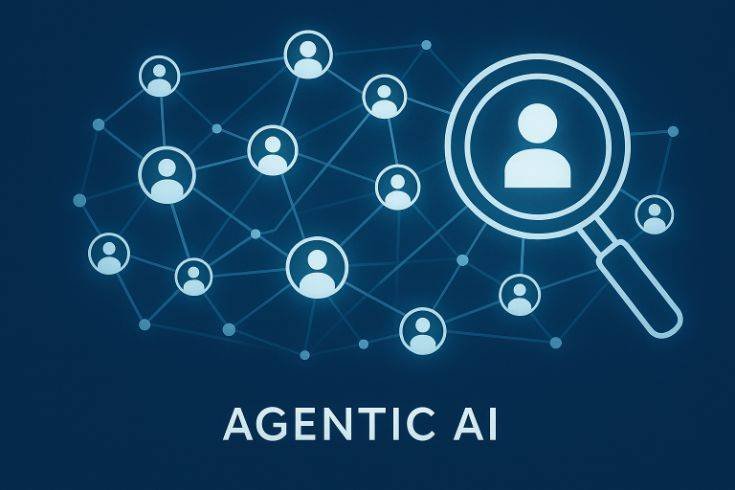
Managing the Shift to Agentic AI: Automation and Assurance
Many agentic AI tools now provide a digital workspace where anyone can connect different apps and AI models. Workflows can be built manually by configuring nodes, or automatically by describing the goal and letting the agent generate the full sequence.
A growing ecosystem of platforms supports this shift. These include:
- Enterprise AI & automation platforms: IBM Watsonx, Microsoft Power Automate
- Multi‑agent development frameworks: Autogen, LangChain, CrewAI
- Workflow & integration tools: Zapier, Make, n8n, Relay.app
- Specialised agentic tools: Relevance AI, StackAI, Agent Zero, Gumloop, Cursor, Claude
Across these tools, multi‑agent architectures are becoming the norm, with agents delegating tasks to each other to complete multi‑step processes. Which AI agent tool are you using to automate your workflows?
In practice, organisations manage agentic AI through platforms that collect signals from agents and the tools they use. The agent platform emits telemetry such as logs, traces, and metrics, while an observability platform aggregates and visualises this activity to provide a live view of how agents behave and perform. Companies are not managing this tool‑by‑tool — they rely on these centralised platforms to achieve basic monitoring and operational visibility.
However, these capabilities still leave significant gaps. Each platform provides its own partial view, data remains siloed, and organisations struggle to gain a unified picture of agent behaviour, risks, and compliance across workflows. This is exactly where stronger governance and assurance are needed — and where we support organisations by providing the layer that brings everything together safely, consistently, and transparently.
If enhancing governance and assurance around AI agents is a priority for your organisation, we can help you design the structures, controls, and oversight needed to manage agentic systems effectively.